CUES IN THE USER'S ENVIRONMENT MOTIVATING TO A CERTAIN ACTION
Description
"External triggers consist information, telling the person what to do next.
An external trigger communicates the next action the user should take in an explicitly clear way.
Nir Eyal mentions four kinds of external triggers in his book:
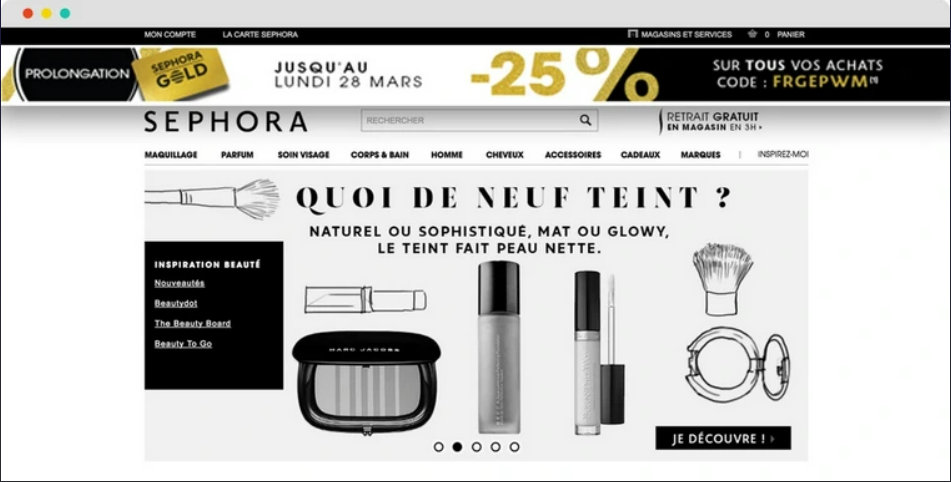
1. Paid triggers - Advertising and paid marketing that attract people to check out a product or service.
2. Earned triggers - Press, viral videos, App Store rankings, SEO. Very effective but hard to replicate.
3. Relationship triggers - Referrals and word of mouth. Using relationships to reach a new audience.
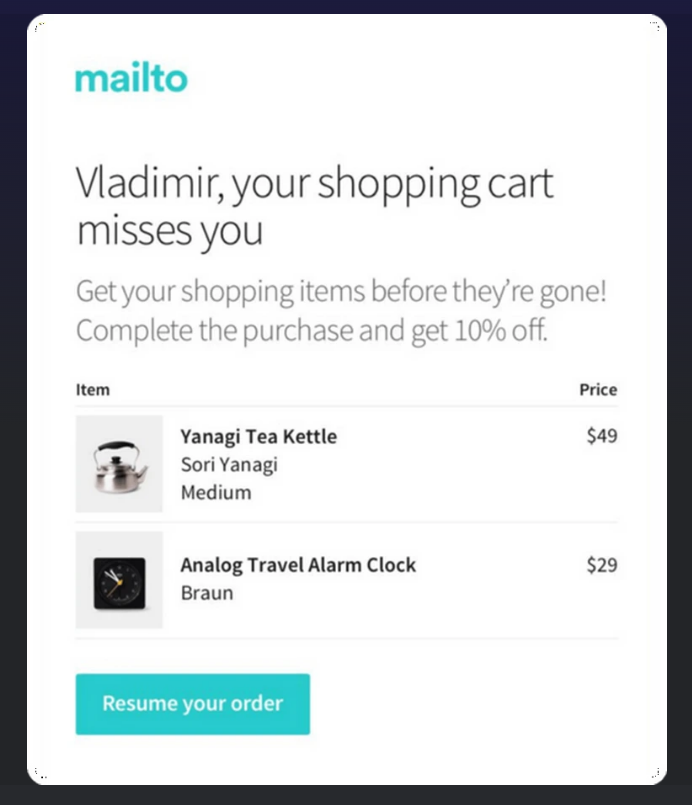
4. Owned triggers - A part of your user’s environment by their own choice: the app icon on home screen, an email newsletter, or push notifications."
Application
Seasonal Promotions
Digital marketers can use external triggers like seasons, holidays, or special events to create targeted marketing campaigns. For example, a clothing retailer may run a winter coat sale when the weather forecast predicts a sudden drop in temperature. This external trigger of changing weather conditions prompts the marketing campaign to align with customer needs and preferences. By leveraging these external triggers, businesses can tailor their messaging and offers to better resonate with their audience during specific times of the year.
Social Media Trends and Virality
Marketers can monitor external triggers related to trending topics, hashtags, or viral content on social media platforms. When a topic or hashtag gains traction and aligns with their brand or product, they can quickly create and share content that capitalizes on the trend. For instance, a food delivery app might create a funny or engaging post related to a viral food challenge that's circulating on social media. By piggybacking on these external triggers, marketers can tap into the existing buzz and reach a wider audience, thereby increasing brand visibility and engagement.
Examples